Kids Are Spending Too Much Time on Screens
From the classroom to the couch, children are on devices more than ever — and a growing body of research links heavy screen time to poorer sleep, focus, eyesight, and development. PaperScorer helps schools measure what students know without adding a single minute of screen time.
The Hidden Cost of Screen Time
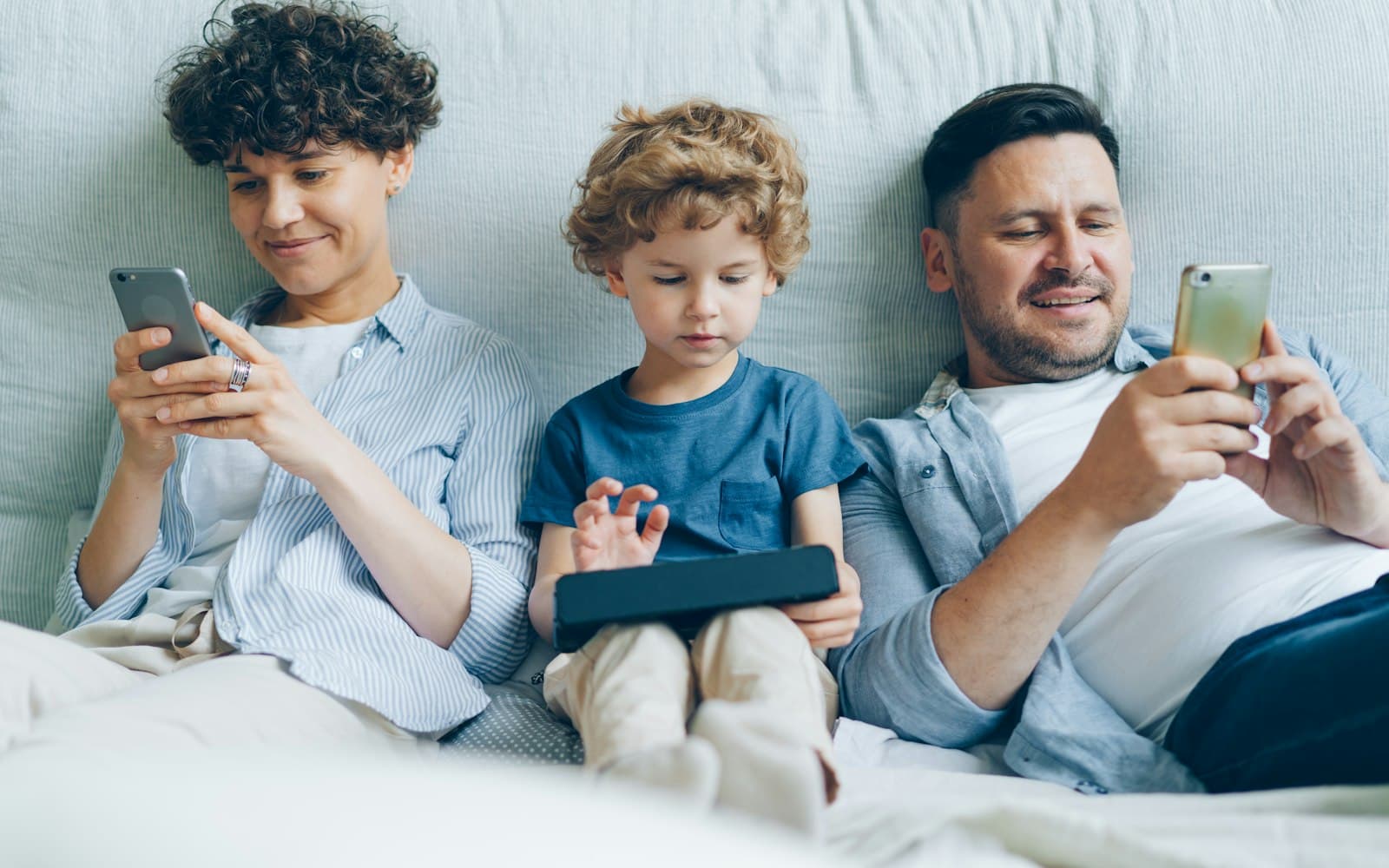
Screens have become the default for entertainment, schoolwork, and downtime alike. Children ages 0–8 now average about two and a half hours of screen media a day, and that number climbs sharply through the school years. Researchers are increasingly clear that all those hours carry a real cost for children's health and development.
- Disrupted sleep — heavier screen use is linked to shorter sleep and trouble falling asleep
- Delays in language and communication skills in young children
- Shorter attention spans and weaker self-regulation
- Higher rates of anxiety, low mood, and behavioral problems
- Less physical activity and more time spent sedentary
- Rising rates of myopia (nearsightedness) from constant close-up focus
What the Research Says
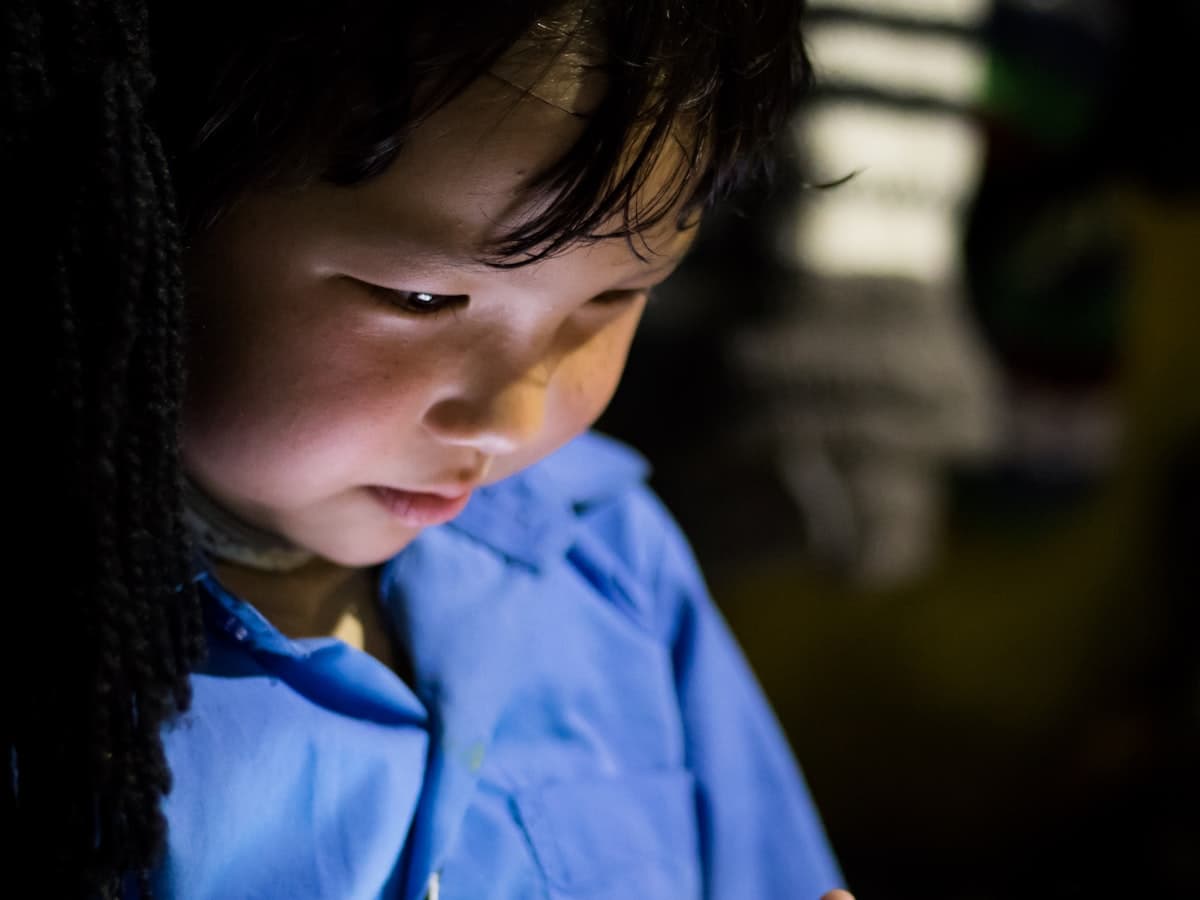
A look at what major studies and health authorities have found about screen time and children.
More screen time, less sleep
A 2025 review pooling 21 studies and over 548,000 participants found greater screen time is associated with a 25% higher risk of insufficient sleep, along with shorter sleep and difficulty falling asleep.
Frontiers in Psychiatry, 2025A dose-response link to developmental delay
In a study of more than 7,000 children, 1-year-olds with four or more hours of daily screen time were nearly five times more likely to show communication delays by age 2.
JAMA Pediatrics, 2023Screens and attention problems
Children who exceeded two hours of daily screen time were 1.5 to 2 times more likely to show above-average attention problems, in a study that followed more than 1,300 children.
Pediatrics (AAP), 2010Trading movement for screens
CDC survey data shows only 54% of teens with four or more hours of daily screen time met physical activity guidelines, compared with 70% of those with two hours or less.
CDC MMWR, 2024A close-up cost to vision
A 2024 meta-analysis of 19 studies and over 102,000 participants linked high screen exposure to roughly 2.2 times higher odds of myopia in children and adolescents.
BMC Public Health, 2024Paper still wins for comprehension
A meta-analysis of 39 studies found children comprehend stories less well when reading on a screen than on paper, when format is the only thing that changes.
Review of Educational Research, 2021Most screen-time research is observational — it shows strong, consistent associations rather than definitive proof of cause. But across sleep, attention, development, vision, and learning, the direction of the evidence is remarkably consistent.
Screen-Based Testing vs. Paper-Based Testing
Assessment is one of the easiest places to give students a break from screens.
| Consideration | Screen-Based Testing | PaperScorer |
|---|---|---|
| Screen Exposure | Adds more hours of screen time to a child’s day | Zero screens for students during the test |
| Eye Strain | Close-up screen focus strains developing eyes | Natural reading distance on plain paper |
| Focus & Distraction | Notifications, tabs, and apps are a tap away | Just the student, the paper, and a pencil |
| Equity & Access | Every student needs a working, charged device | Works for every student — all it takes is paper |
| Comprehension | Reading on screen can lower comprehension | Paper supports how students read and recall |
| Grading Speed | Slow manual entry, or yet more screen-based work | Scan and auto-grade in seconds |
A Screen-Free Way to Test What Students Know
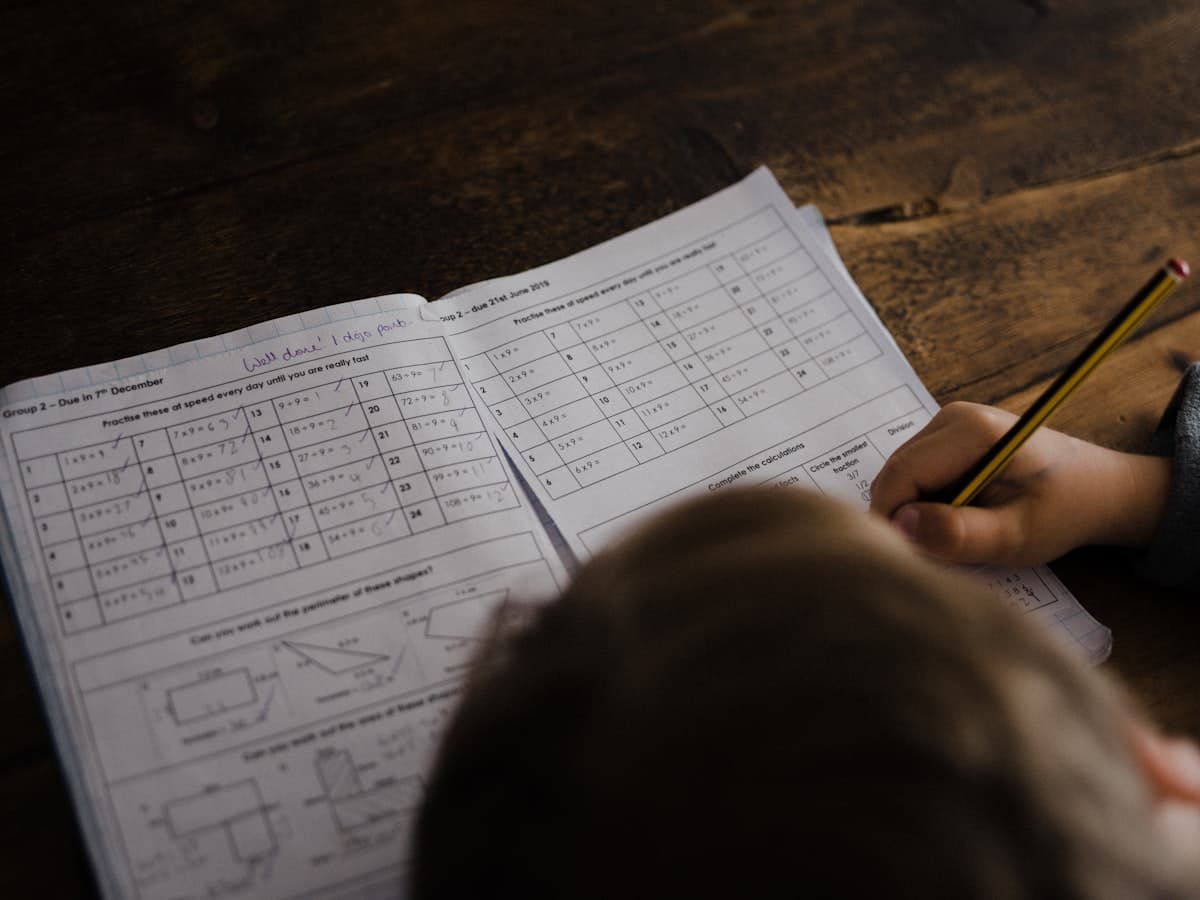
PaperScorer lets teachers run real assessments on plain paper — no tablets, no laptops, no logins for students. Children take the test the way generations have: pencil on paper, fully focused. Teachers then scan the completed sheets, and PaperScorer grades them automatically and syncs results to the gradebook. The only screen involved is the teacher's, for a few seconds of scanning.
- Students test on paper — no device required
- No screen time added to a child’s day
- Teachers scan and grade in seconds
- Results sync automatically to your LMS
- Works for every student, regardless of device access
How PaperScorer Cuts Screen Time
The efficiency of digital grading, without putting another screen in front of a child.
Paper-First Assessments
Every quiz and test is taken on plain paper. Students stay off devices entirely while their knowledge is measured.
Easier on Young Eyes
Answering on paper happens at a natural distance — no close-up screen focus straining children’s developing eyesight.
Fewer Distractions
No notifications, no open tabs, no temptation. Paper keeps students focused on the question in front of them.
Equity for Every Student
No device, no problem. Paper testing works for every student, regardless of access to technology at home or school.
Digital Speed, No Kid Screen Time
Teachers get instant scanning and automatic grading. The efficiency of technology, with none of the student screen time.
Healthier Habits
Less testing on screens means fewer screen hours overall — supporting better sleep, focus, and well-being.
Screen-Free Testing in Three Steps
Create Your Assessment
Build any quiz or test and print it on standard paper. No special forms, no devices, no logins for students.
Students Test on Paper
Students complete the assessment with pencil and paper — focused, screen-free, and on a level playing field.
Scan & Grade Instantly
Scan the completed sheets with PaperScorer. Grading is automatic and results sync straight to your LMS.
Test Knowledge Without the Screens
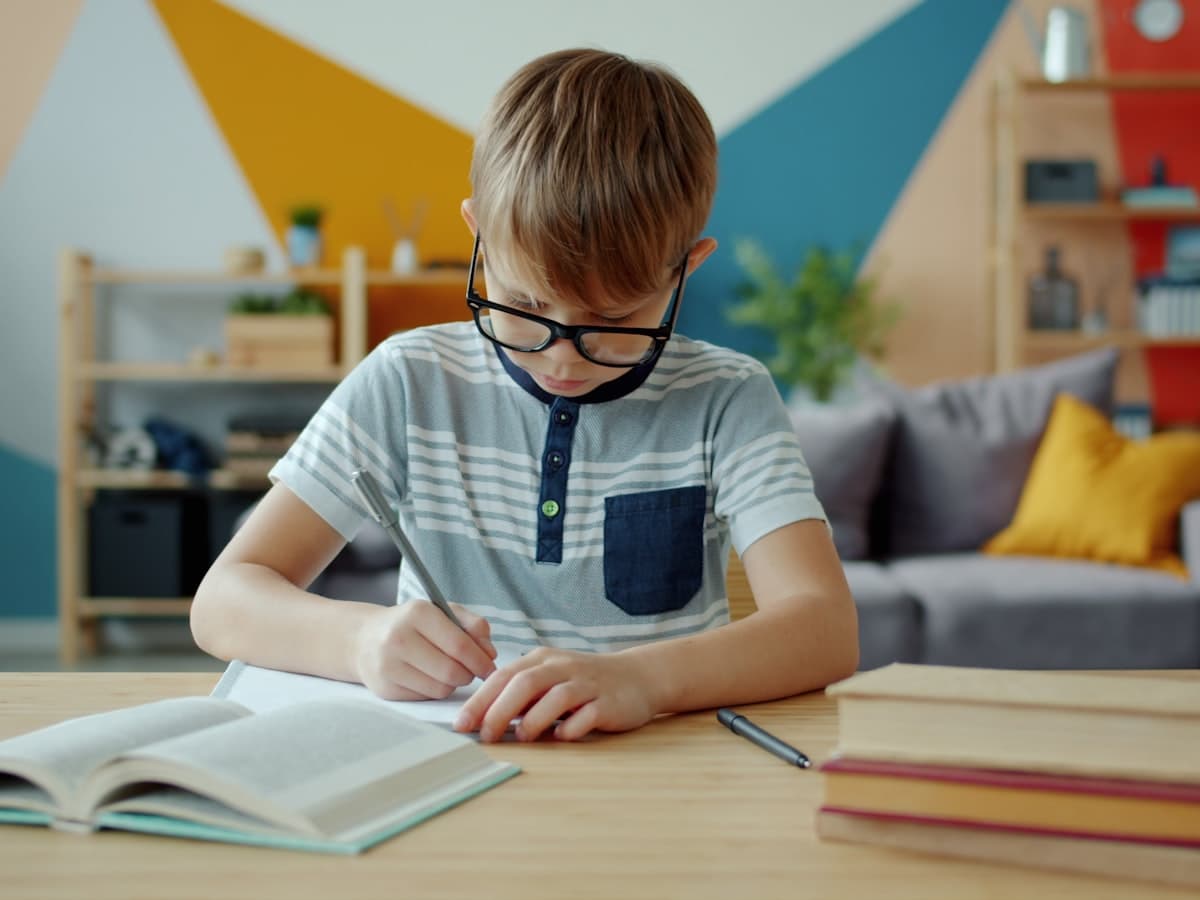
Give students a break from devices where it matters most. Start using PaperScorer to assess learning on paper — and keep screen time out of the classroom.